Micronutrient basics
This page is your foundation for understanding how vitamins and minerals support your
body and how a food-first approach can cover much of what you need. I keep explanations
short, repeat key ideas, and focus on realistic changes that fit Norwegian kitchens.
Big picture
I begin with clear definitions of vitamins and minerals, then show how they work
together in systems like energy, bones, and immunity so you see the bigger picture
before diving into details.
On your plate
I connect every concept to real foods available in Norwegian shops, from oats and
berries to fish, legumes, vegetables, and dairy, so you can translate theory into
meals.
Simple structure
I use a repeatable layout for each nutrient: what it does, general deficiency
considerations, whole-food sources, and simple meal examples, making it easier to
compare chapters.
Safety first
I clearly state that this guide is information only, not medical advice, and I
remind you to consult your physician before use of supplements or major dietary
changes. Results may vary.
Understanding vitamins alongside minerals in everyday meals
Vitamins and minerals work side by side, but vitamins fall into two broad groups that
behave differently in your body and in your kitchen. Understanding this helps you plan
meals and store food more wisely.
Fat-soluble vitamins include vitamins A, D, E, and K. They are absorbed with dietary fat and can be stored in the body for longer periods, mainly in the liver and fatty tissues. In practice this means that both your overall intake and your long-term pattern matter. I show how foods like oily fish, eggs, full-fat dairy, fortified products, and colourful vegetables contribute to these vitamins, and why adding a small amount of healthy fat to meals can support absorption.
Water-soluble vitamins include the B group and vitamin C. Your body does not store
most of these to the same extent, so regular intake through food becomes important.
They often support energy metabolism, blood formation, and immune function. In the
guide I connect these vitamins to foods such as whole grains, legumes, potatoes,
fruits, vegetables, dairy, eggs, and some meats, with notes on gentle cooking
methods that help protect sensitive vitamins like vitamin C and some B vitamins.
Because vitamins and minerals interact, I encourage you to think in terms of whole
meals rather than isolated nutrients. For example, pairing plant sources of iron
with a vitamin C rich food can support absorption, and combining calcium rich foods
with vitamin D sources helps bone health. I keep the explanations short and repeat
the same structure for each nutrient so you can compare them easily, then apply the
ideas to breakfasts, lunches, dinners, and snacks you already enjoy.
Mineral basics
Micronutrients are vitamins and minerals your body needs in tiny amounts, yet they quietly support energy, immunity, bones, nerves, and more. On this page I break them into two groups: macrominerals that you need in larger quantities, and trace minerals that you need in much smaller amounts. You will see how both groups work together and how everyday foods in Norway can cover much of what you need.
Macrominerals include calcium, magnesium, sodium, potassium, phosphorus, and others that
help maintain fluid balance, bone strength, and muscle and nerve function. Trace minerals
such as iron, zinc, iodine, selenium, and copper are needed in smaller amounts but still
play crucial roles in oxygen transport, thyroid function, and immune support. I highlight
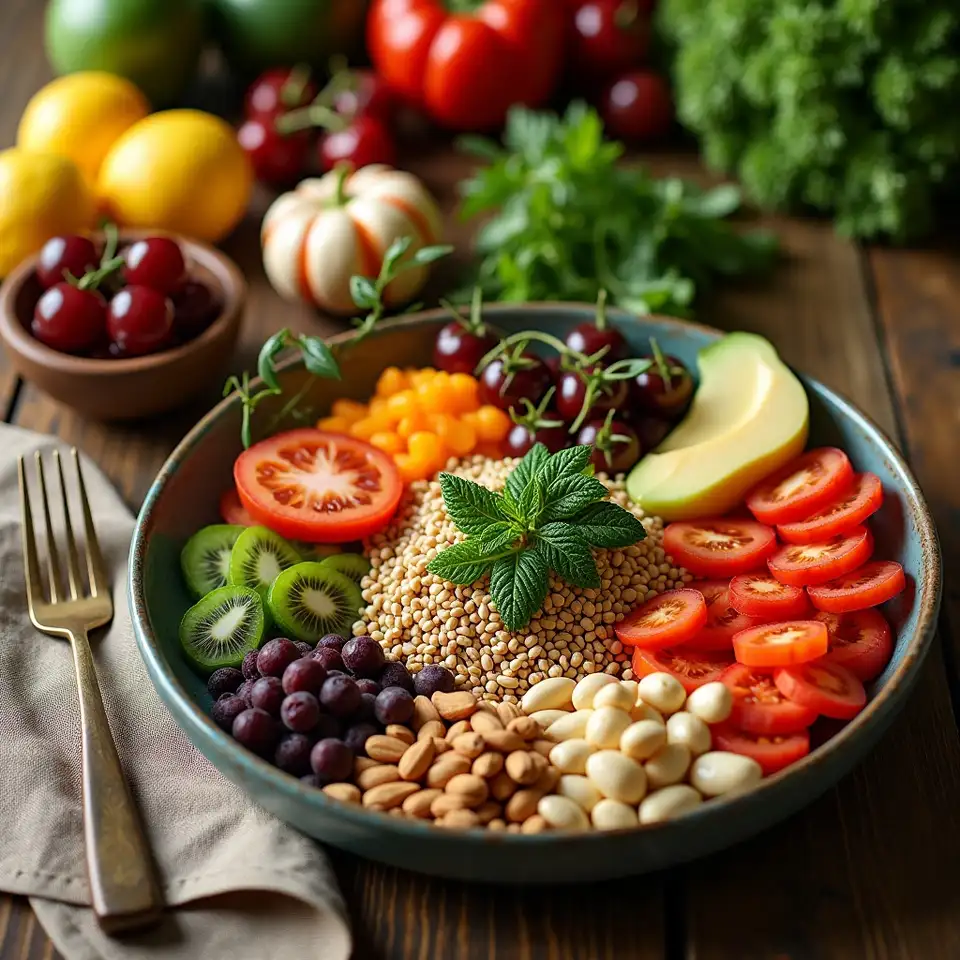
whole-food sources like dairy, fish, legumes, whole grains, nuts, seeds, and vegetables so
you can think in terms of meals, not milligrams.
Practical ways to build micronutrient rich meals
Use a simple meal pattern
Build most meals around a mix of vegetables or fruit, a source of protein, and a whole grain or starchy vegetable. This simple pattern naturally brings together vitamins, minerals, fibre, and energy without detailed counting. Rotate colours and textures across the week so you touch different micronutrients while still cooking dishes your household recognises and enjoys.
Pair foods thoughtfully
Combine foods that support each other, like beans with peppers or berries for iron and vitamin C, or yoghurt with nuts and seeds for calcium, magnesium, and healthy fats. Think of these pairings as small upgrades to meals you already eat rather than brand new recipes. Over time, these quiet combinations can strengthen your overall micronutrient pattern.
Cook to protect nutrients
Choose cooking methods that balance convenience, taste, and nutrient preservation. Steaming, stir-frying, baking, and quick simmering often keep more vitamins than long boiling. When you do boil vegetables, use the cooking liquid in soups or sauces when possible so some water-soluble vitamins stay on your plate instead of going down the drain.
Rely on nutrient anchors
Plan a few repeatable breakfasts, lunches, and snacks that you know include several micronutrient-rich foods, such as oats with seeds and fruit, vegetable soups with legumes, or crispbread with fish or egg. Repeating these anchors during busy weeks gives you a steady foundation while leaving space for flexible dinners and social meals.
Keep a micronutrient shortlist
Keep a short, practical list of your favourite nutrient-dense foods on your fridge or
phone. Include items like leafy greens, berries, nuts, seeds, beans, lentils, oily fish,
eggs, and fortified products you actually buy. Use this list when shopping or planning
meals so you steadily weave these foods into your routine without turning eating into a
strict project.
Micronutrient concerns and next steps FAQ
People often ask how to recognise low intake, when to test, and when to involve
professionals. Here are brief answers to guide your next steps.

Go deeper into the Micronutrient Basics Guide
This Micronutrient Basics page is your starting point. From here you can dive into individual vitamins and minerals, see which foods support them, and explore simple cooking and pairing tips that fit real life in Norway. I keep the tone calm, the science grounded in recognised public health sources, and the focus firmly on whole foods first. Use the full guide to prepare better questions for your healthcare professional, especially if you are considering dietary supplements or have medical conditions. Results may vary, and this information does not replace personalised medical advice.