Healthy recipes in action

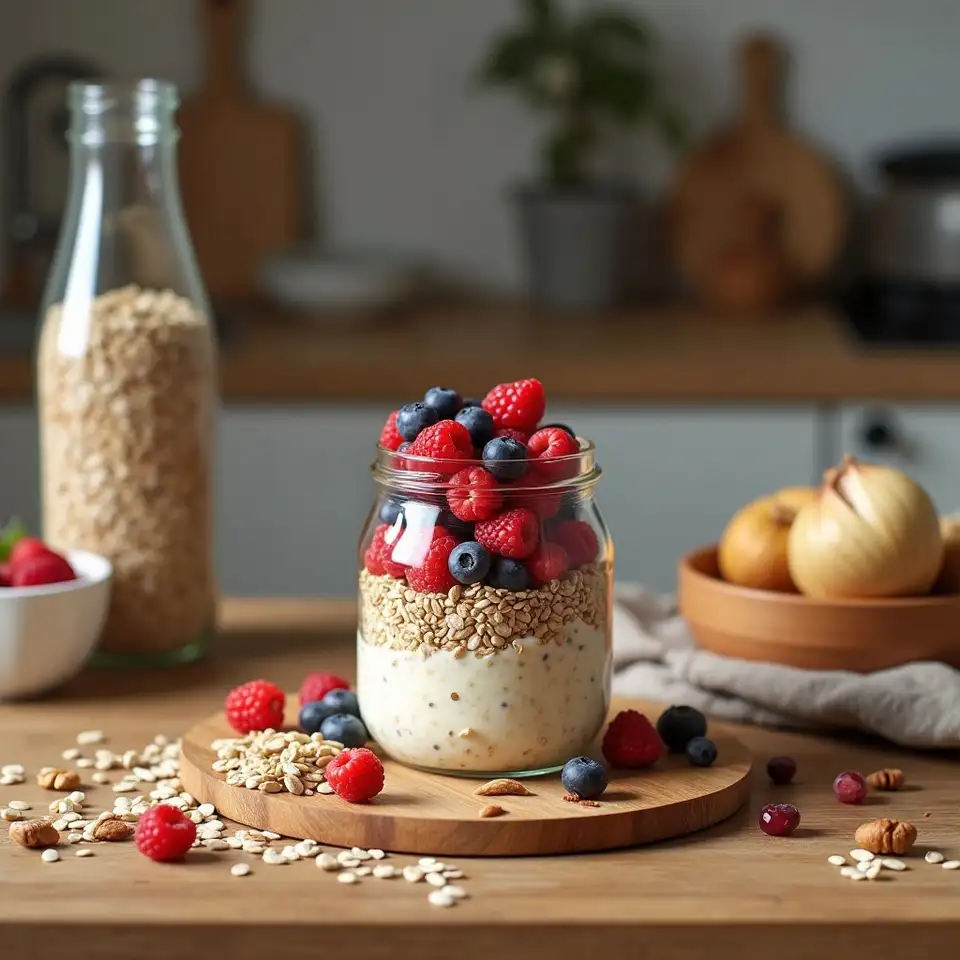
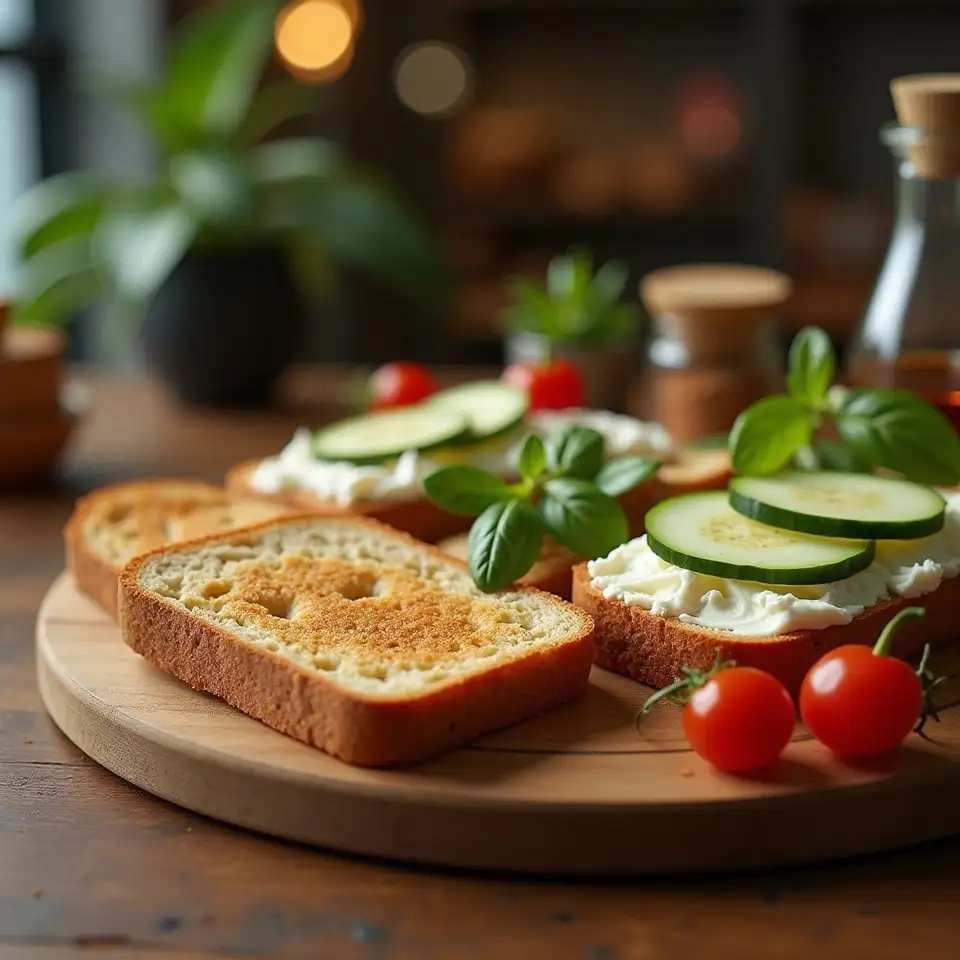
Healthy breakfasts
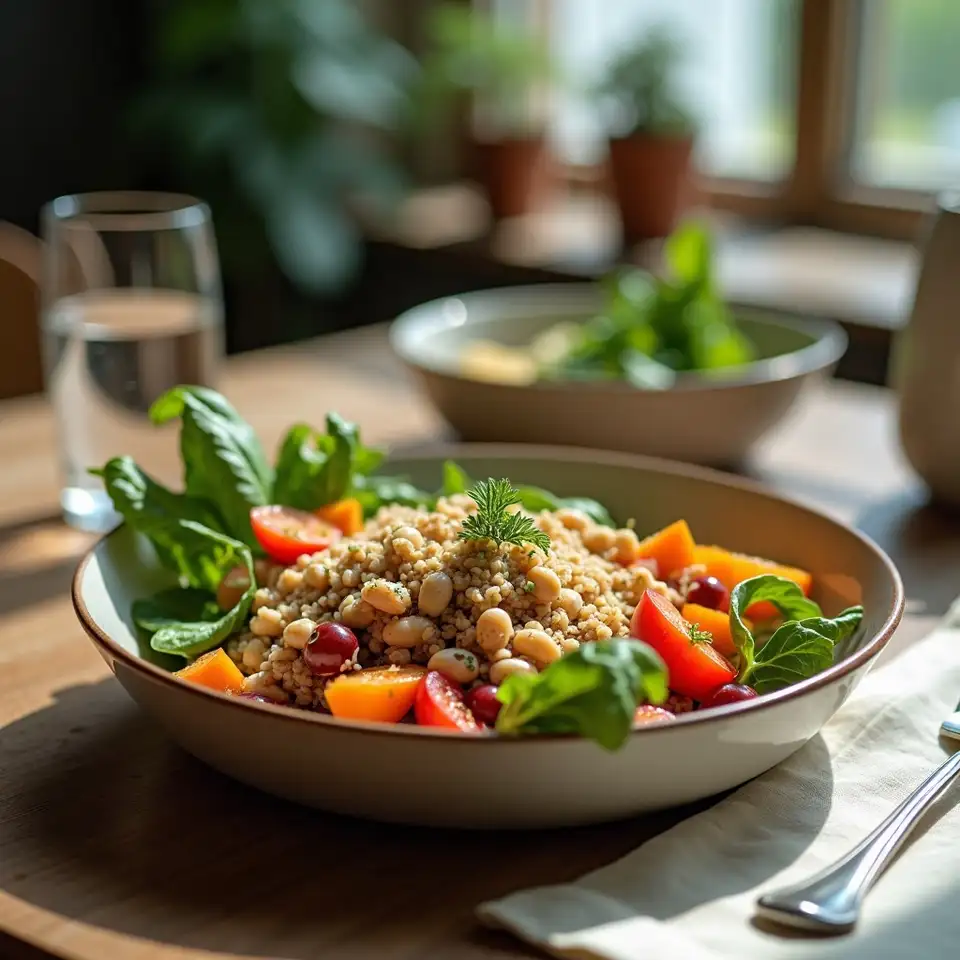
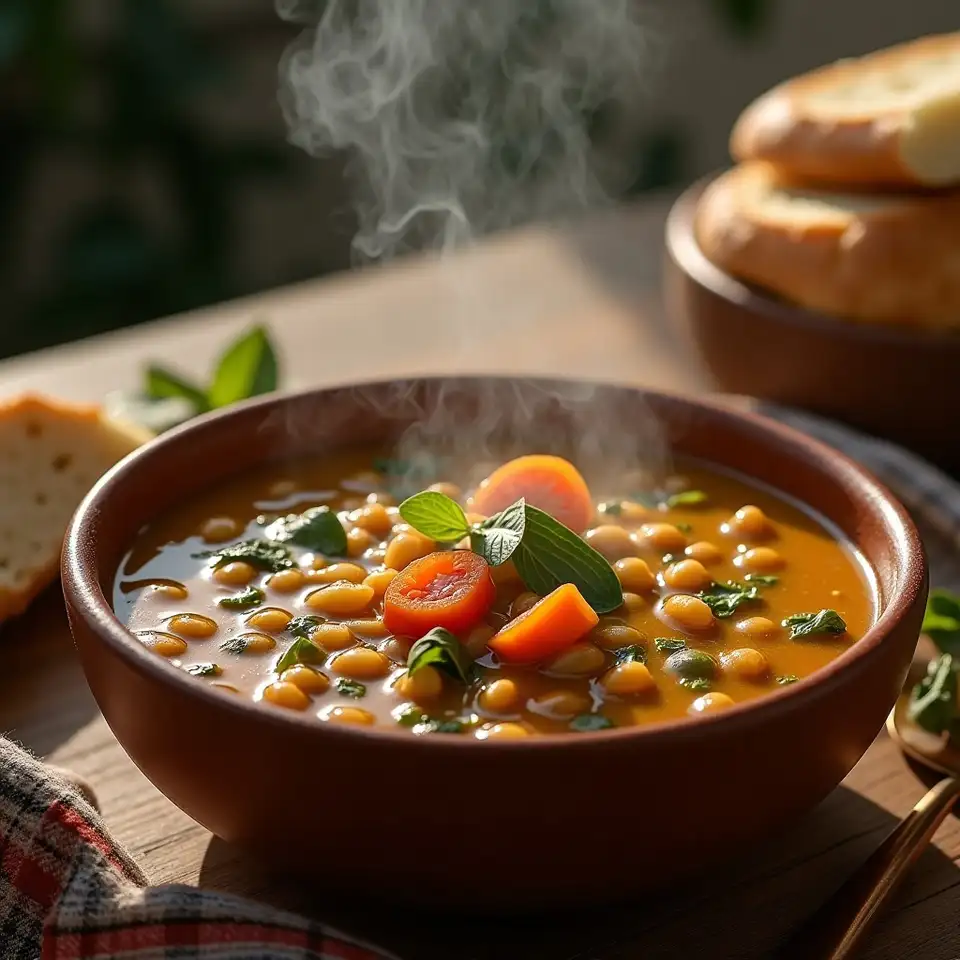
Quick lunches

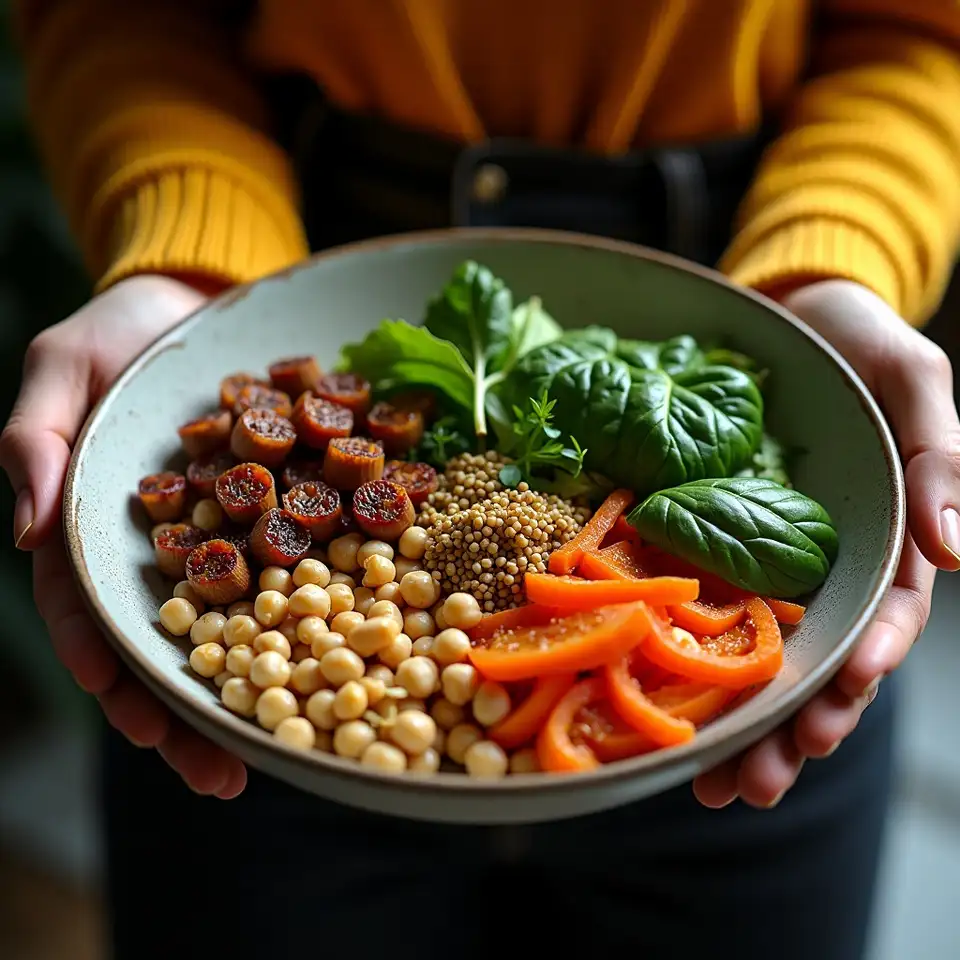
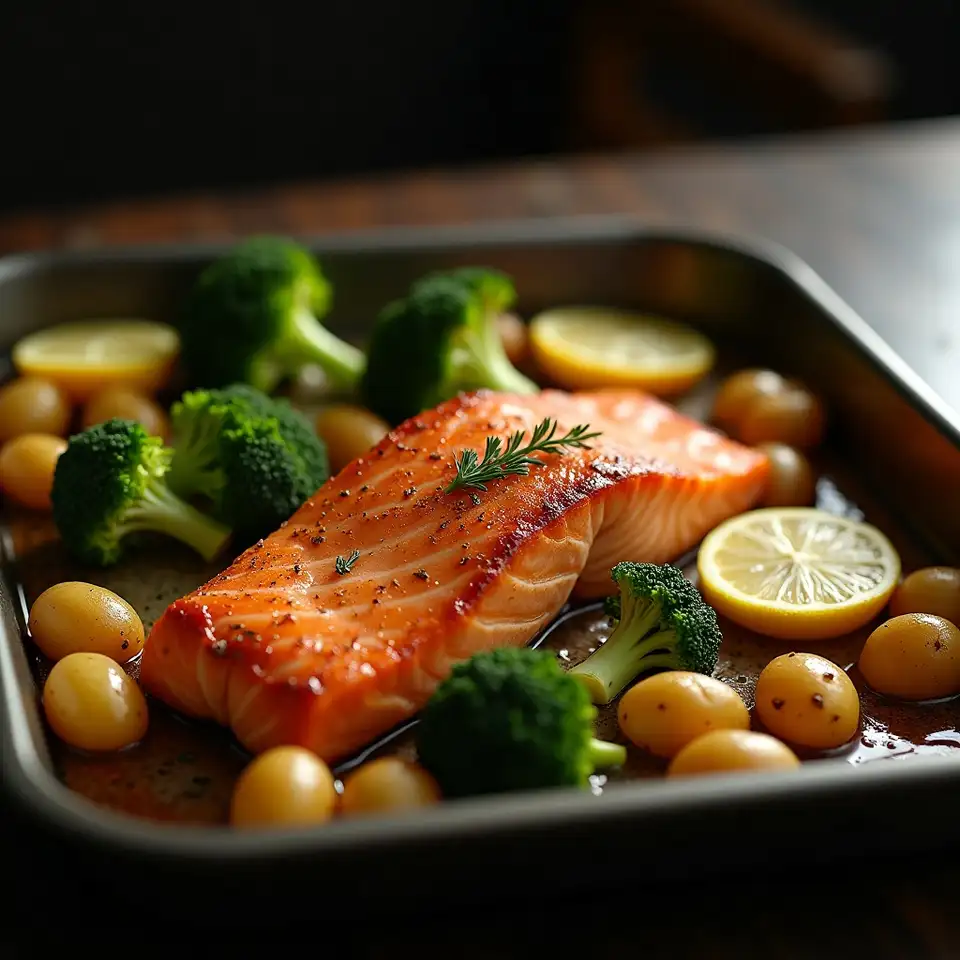
Family dinners
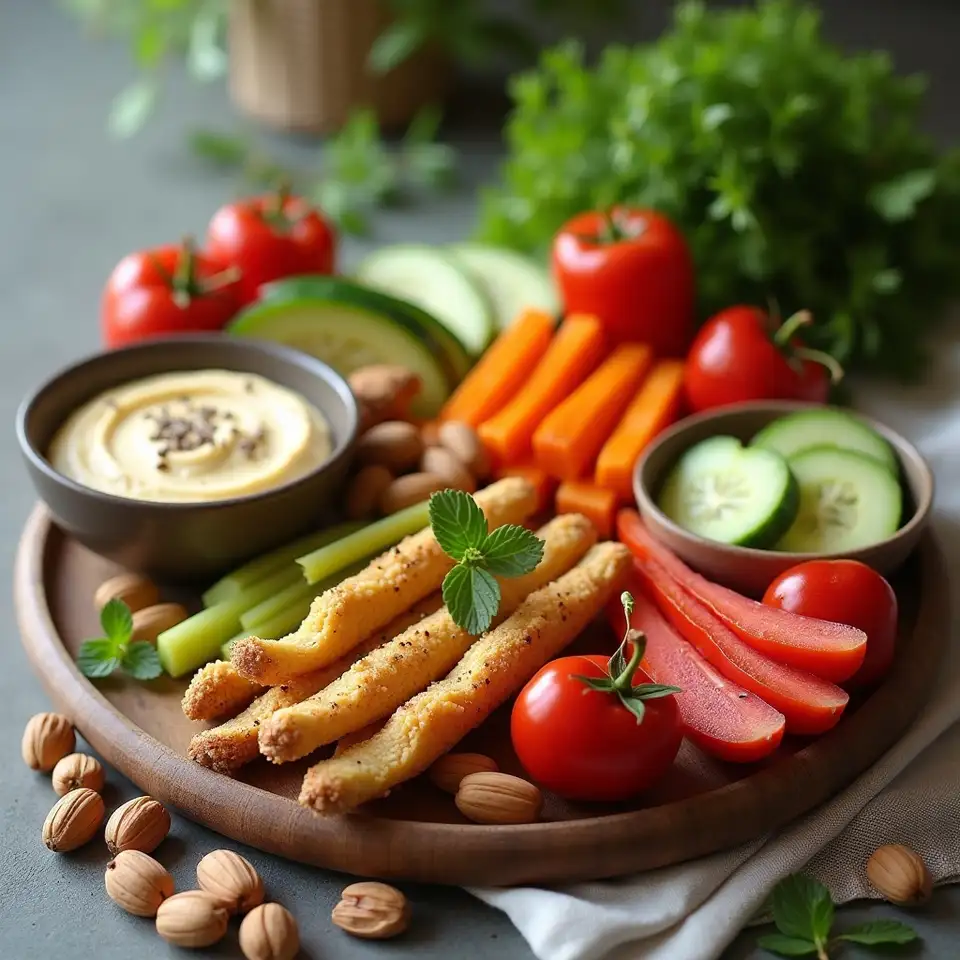
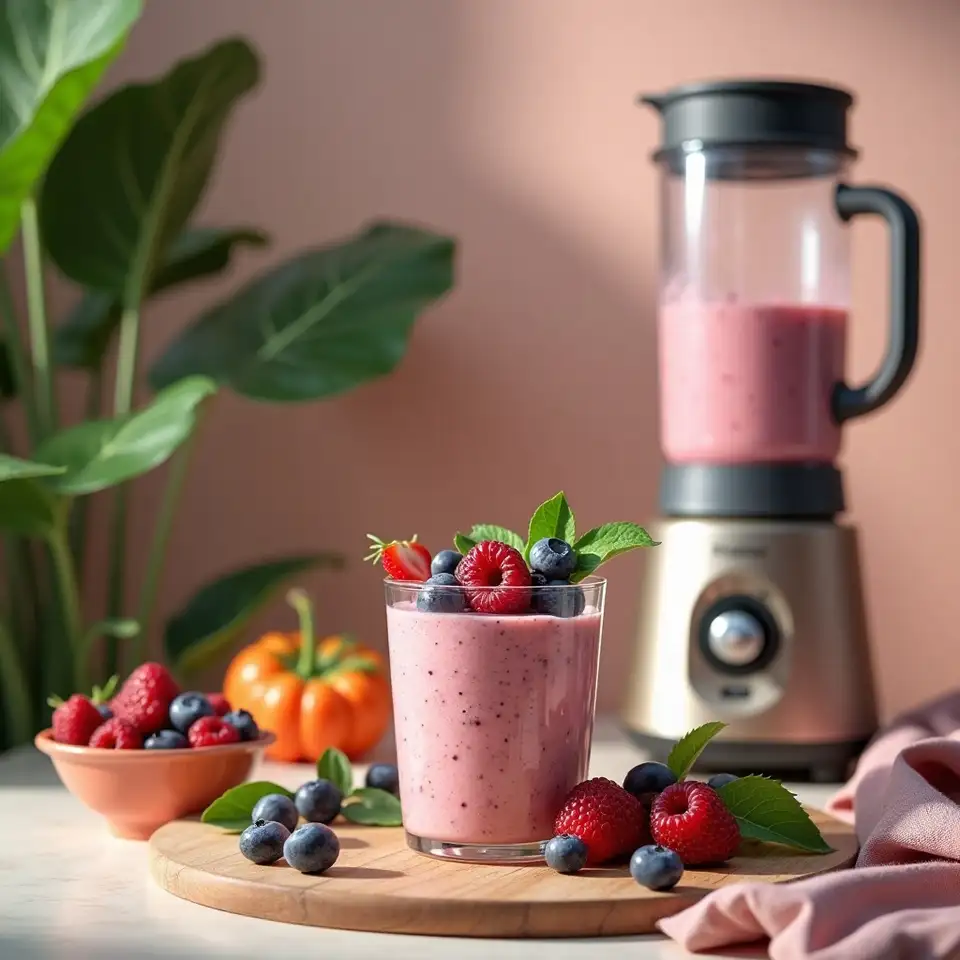
Smart snacks
Recipe inspiration
Use these images as inspiration, not strict rules. Swap ingredients within your budget, culture, and preferences while keeping an eye on colour, texture, and the mix of plant and protein sources on your plate.
How these recipes support micronutrient balance
-
01
Balanced breakfasts
I focus on breakfasts that combine slow-release carbohydrates, protein, and colourful toppings so you start the day with fibre and key micronutrients like B vitamins, iron, iodine, and vitamin C. You will see patterns like oats with seeds and berries, yoghurt with fruit and nuts, and whole-grain bread with egg or fish spreads. Each idea includes small tweaks so you can adapt to seasons, taste, and time.
-
02
Fast lunches
Quick lunches lean on leftovers, sturdy salads, soups, and open-faced sandwiches that come together in minutes. I show how to pair vegetables with beans, lentils, fish, or eggs so you support iron, folate, vitamin D, and omega-rich foods in one plate. You get simple suggestions for lunch boxes, home office days, and canteen add-ons that keep micronutrients in mind.
-
03
Simple dinners
Family dinners use familiar formats like trays, stews, and grain bowls so you can swap vegetables or proteins without rewriting the whole recipe. I highlight how to combine root vegetables, greens, whole grains, and proteins such as fish, poultry, or legumes to support minerals like iron, calcium, iodine, and zinc alongside vitamins A, C, and K.
-
04
Supportive snacks
Snack ideas focus on calm, satisfying options that add useful vitamins and minerals between meals. You will see combinations like fruit with nuts, vegetables with hummus, yoghurt with seeds, and whole-grain crispbread with spreads. I explain which micronutrients these pairings tend to support so snacks become part of your overall pattern, not an afterthought.
Practical tips for nutrient aware cooking
Choose cooking methods that protect vitamins
Some vitamins are sensitive to long, high-heat cooking and to large amounts of water. When you boil vegetables for a long time, more nutrients may leach into the water you later pour away. I suggest using gentler methods like steaming, stir-frying, or simmering for shorter periods, and using the cooking liquid in soups or sauces when possible. This helps you keep more vitamins in the final dish without adding extra steps.
Store leftovers to keep nutrients longer
Exposure to air, light, and warmth can reduce certain vitamins in prepared foods over time. I recommend cooling leftovers promptly, storing them in sealed containers, and keeping them in the refrigerator. Use them within a few days and reheat only what you plan to eat. This approach balances food safety, convenience, and nutrient preservation so batch cooking still supports your micronutrient goals.
Prepare vegetables with nutrients in mind
Washing and cutting vegetables is important for safety and enjoyment, but long soaking or very early chopping can lead to some nutrient losses. I suggest rinsing vegetables under running water instead of soaking, cutting them closer to cooking or eating time, and including some raw options like salads or crudités when appropriate. This combination keeps preparation practical while respecting delicate vitamins.
Pair foods to support absorption
How you combine foods on your plate can influence how well you absorb certain vitamins and minerals. For example, adding a source of fat can help with fat-soluble vitamins, and including a vitamin C rich food with plant sources of iron can support absorption. I give simple pairing ideas, like adding peppers or berries to iron rich plant dishes, so you can apply this without tracking every detail.
Why these recipes are built differently
These recipes translate the Micronutrient Basics Guide into everyday meals so you can support vitamins and minerals with calm, repeatable cooking habits.
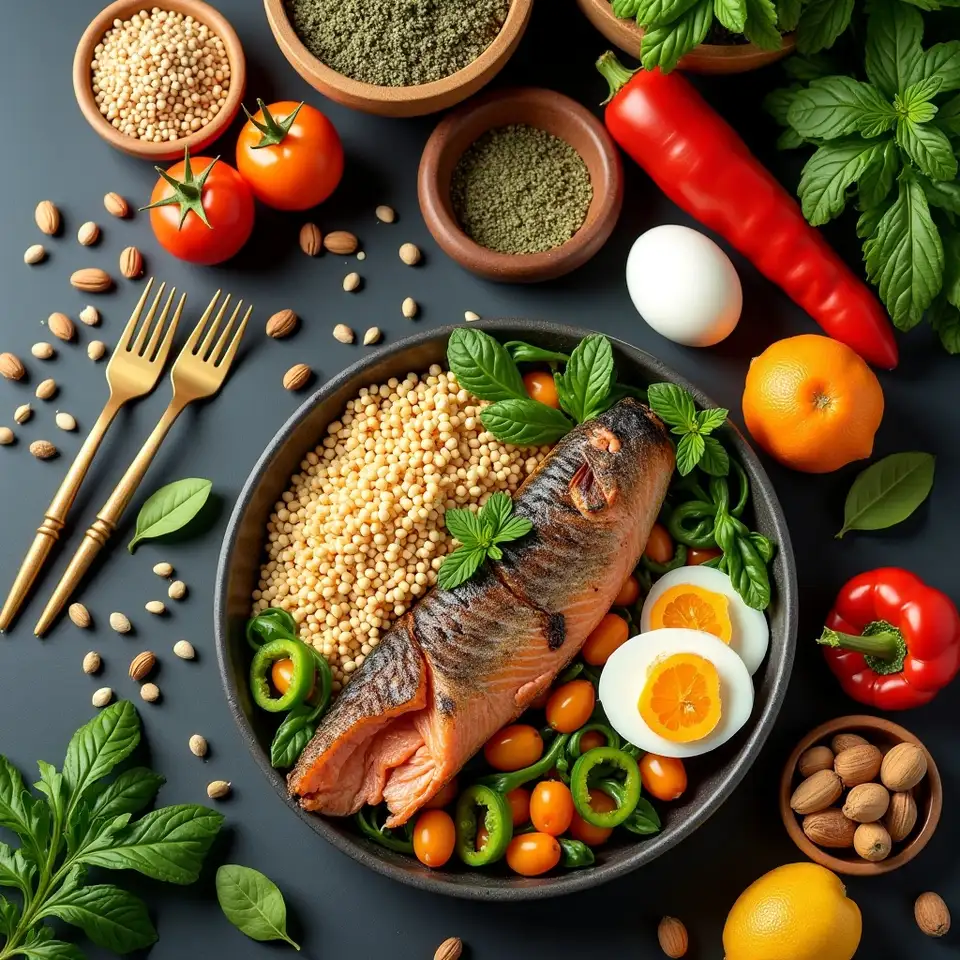
Pair these recipes with the Micronutrient Basics Guide
I created this recipe collection to sit directly beside the Micronutrient Basics Guide. Each dish points back to specific vitamins and minerals, using everyday ingredients instead of specialised products. You can browse the guide to understand what a nutrient does, then come here to see how it might look on your plate. Use the recipes as flexible templates, adjust them to your culture and budget, and always discuss major dietary changes or supplement use with your healthcare professional, especially if you live with medical conditions or take medications.